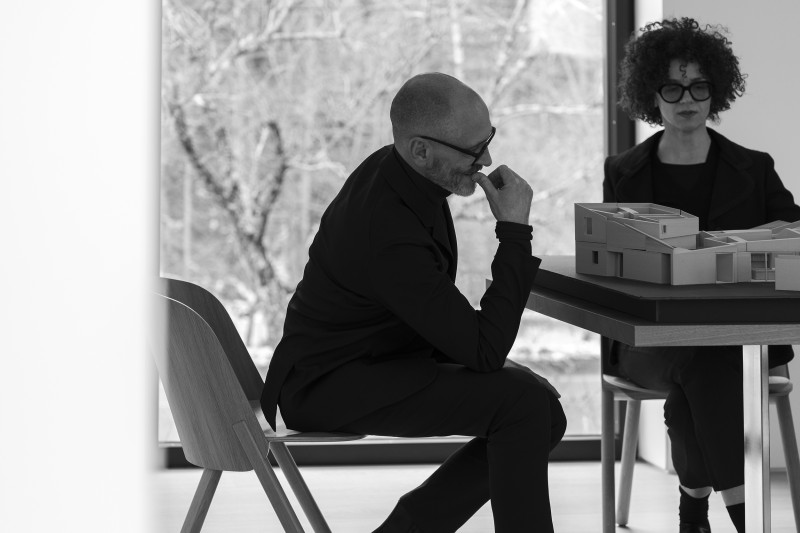
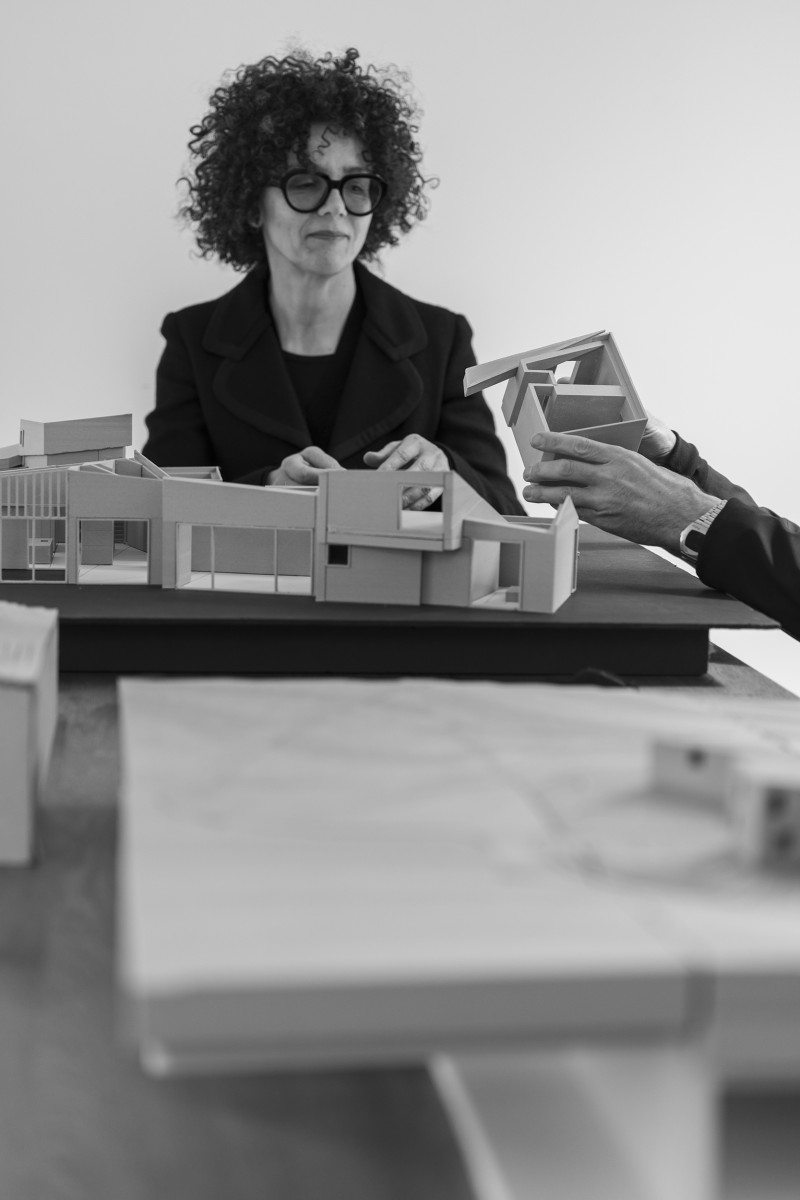
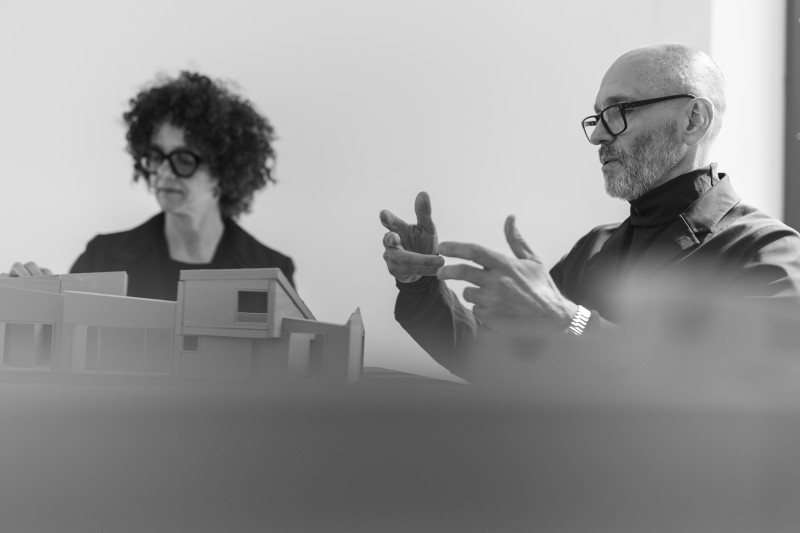
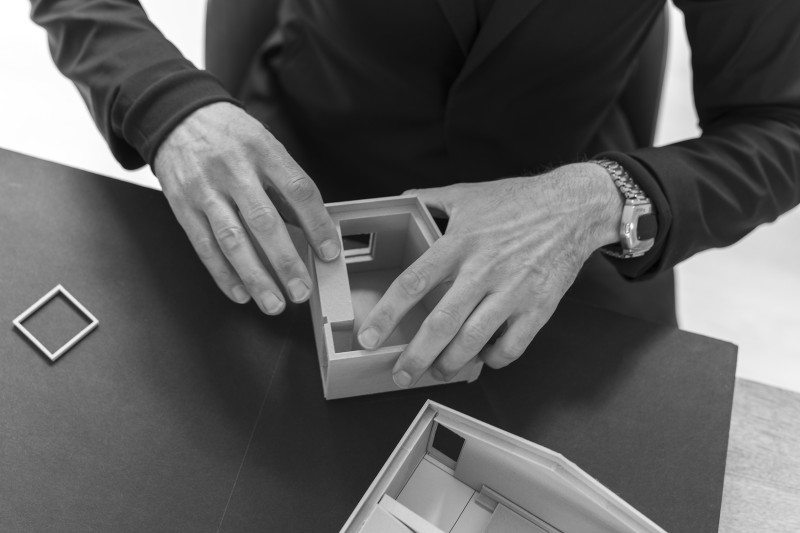

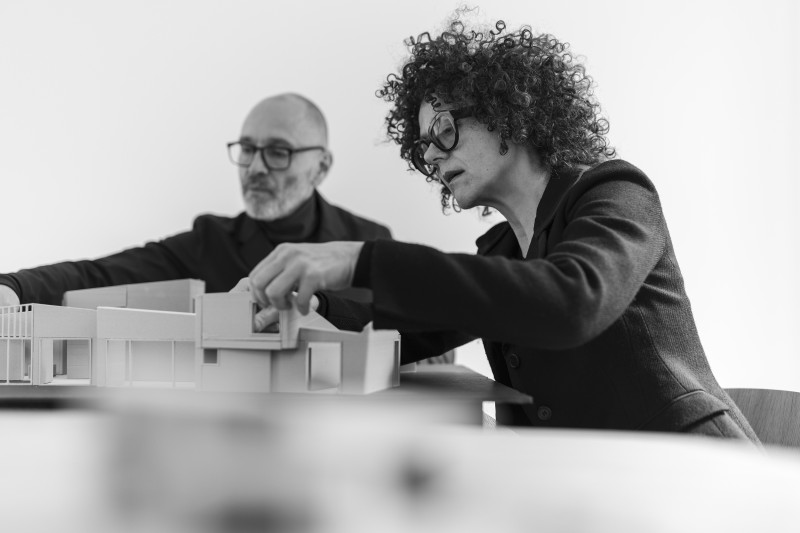

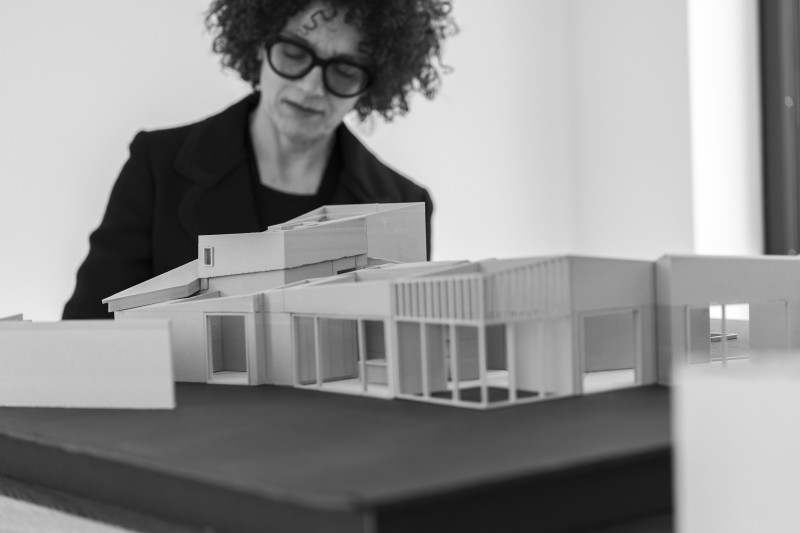

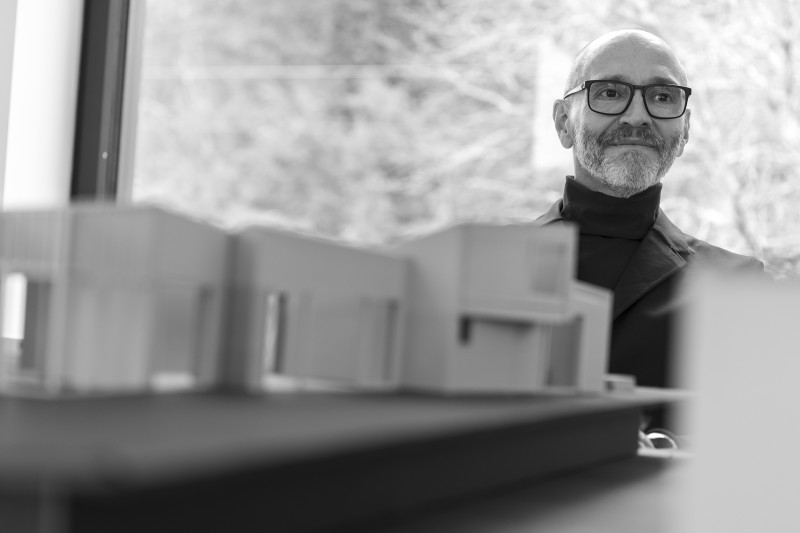
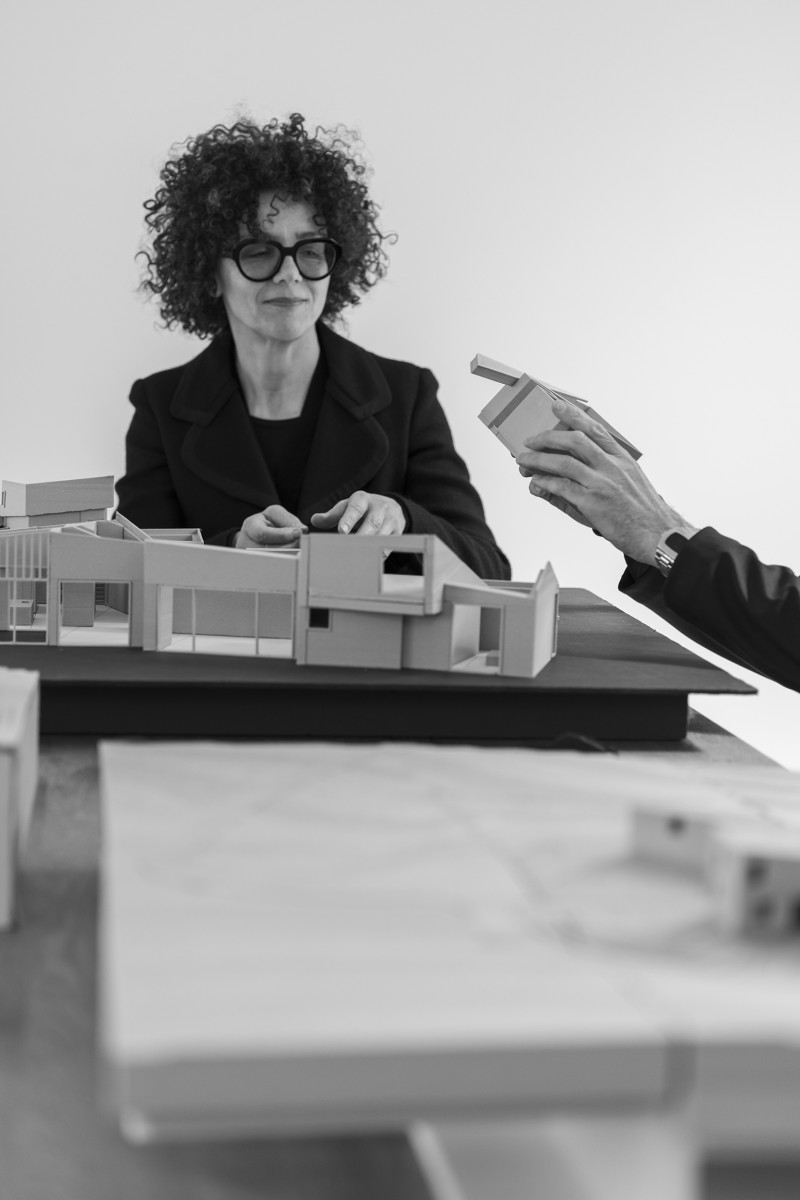
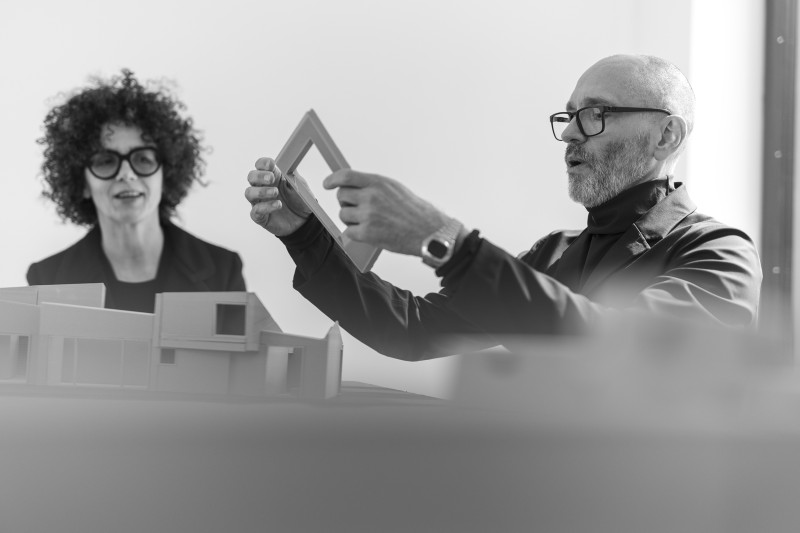
EASTON COMBS is an internationally recognized, award-winning architecture and design practice with offices in the Berkshires of western Massachusetts and in the Montrose neighborhood of Houston, Texas. The firm is widely recognized for refined design, a holistic approach to environmental performance, a sensitive approach to materials, and a considered approach to construction systems. The firm’s activities span cultural buildings and spaces, private houses and housing, and object design. Through a spatially innovative, research-oriented design process, EASTON COMBS delivers thoughtful, well-executed architecture through deep engagement with private clients, public institutions, and commercial partners.
To that end, the practice maintains strong working relationships with project managers, contractors, manufacturers, and fabricators—ensuring alignment between design intent and technical execution across a wide range of scales and budgets. Attention to detail is embedded across all phases of work, resulting in architectural outcomes that combine technical rigor, spatial coherence, and responsiveness to site and circumstance.
EASTON COMBS continues to receive recognition for design innovation and conceptual rigor. Recent honors include the 2024 American Architecture Award (Private Houses), national and New York SARA Design Awards, and the 2023 RECORD HOUSE Award from Architectural Record for House SIX—an international recognition of both the success of EASTON COMBS and of their ongoing examination of the house as a site of architectural culture and environmental exploration. Prior distinctions include multiple AIANY Design Awards for built and unbuilt work (2010–2012), the Architectural League Prize (2008), and the highest honor citation in the 2010 New Practices New York competition. In 2012, the firm was also featured in Architectural Record’s Design Vanguard as one of the top emerging practices internationally.
Originally established in Brooklyn, New York in 2004, EASTON COMBS was founded by Rona Easton and Lonn Combs after a decade and a half of professional practice across the United States, the United Kingdom, Germany, and China. In 2015, following Lonn Combs’s Rome Prize fellowship at the American Academy in Rome, EASTON COMBS established its studio in the Berkshires of western Massachusetts, with a focus on architecturally significant construction in distinctive rural and landscape settings, advanced building performance systems, and rigorous aesthetics. EASTON COMBS maintains a studio in the Montrose neighborhood of Houston, Texas, addressing projects within the built fabric of the city and its exurban surroundings, and pursuing work across rural settings throughout the Southwest. The firm’s partners maintain licensure in New York, Texas, and Massachusetts, including NCARB registration in the United States and full registration in the United Kingdom (ARB). EASTON COMBS is a certified Women Business Enterprise (WBE) in the Commonwealth of Massachusetts.
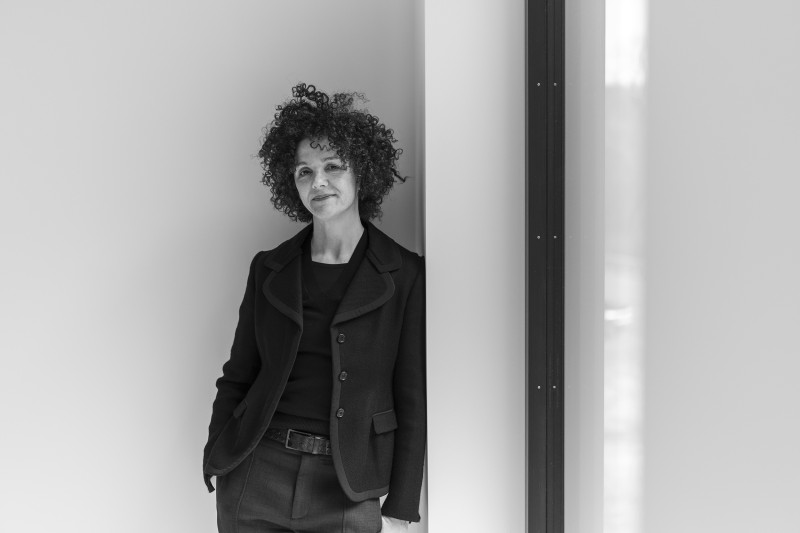
Rona Easton is a cofounder of EASTON COMBS and a registered architect in New York, Massachusetts, and the United Kingdom. She holds an NCARB certificate and was among the first wave of LEED Accredited Professionals in the U.S. In 2015, she completed Passive House training and became a Certified Passive House Consultant. Her work reflects a longstanding commitment to environmental performance and architectural design that is both materially grounded and spatially responsive.
Rona received her undergraduate degree in architecture from the University of Strathclyde in Glasgow and her professional postgraduate diploma from the University of Westminster in London. She holds a Master’s degree from the Bartlett School of Architecture’s Unit for Advanced Architectural Studies, where her research—undertaken under the mentorship of Professor Bill Hillier—focused on spatial systems and the social logic of cities, as an extension of work in urban morphology and space syntax.
She has worked extensively with international architecture firms in London, Berlin, Hong Kong, and New York, contributing to and leading the design development and delivery of large-scale public and private projects across a range of building types—including infrastructure, commercial, bioscience, health, institutional, retail, and residential. Her ongoing work continues to integrate conceptual clarity with environmental strategies and technical execution.

Lonn Combs is a cofounder of EASTON COMBS and a registered architect in New York and Massachusetts. He holds an NCARB certificate and is a member of the American Institute of Architects. In addition to leading the practice, he is a tenured Associate Professor at Rensselaer Polytechnic Institute’s School of Architecture, where his teaching and research explore the intersections of advanced design, material systems, and contemporary construction methodologies. With over two decades of experience in architectural education, he has played an integral role in shaping the design pedagogy and curriculum at Rensselaer—one of the top-ranked architecture programs in the United States.
Lonn earned a Bachelor of Architecture from the University of Kentucky and a Master of Science in Advanced Architectural Design from Columbia University. In 2011, he was awarded the Rome Prize in Architecture by the American Academy in Rome and is a Fellow of the Academy (class of 2012), joining a legacy of architects recognized for advancing design through research and cultural inquiry. During his fellowship, he conducted research on the structural and material innovations of Pier Luigi Nervi. Awarded to only two architects annually, the Rome Prize reflects Lonn’s rare commitment to design excellence supported by extended research. In 2015, he was recognized with the Distinguished Alumni Award for Professional Achievement from the University of Kentucky College of Design.
Prior to founding EASTON COMBS, Lonn worked with prominent architectural practices in New York City, Hong Kong, and Berlin. His professional work integrates academic research and architectural practice, with a focus on material systems, spatial clarity, and the translation of conceptual design into built form.
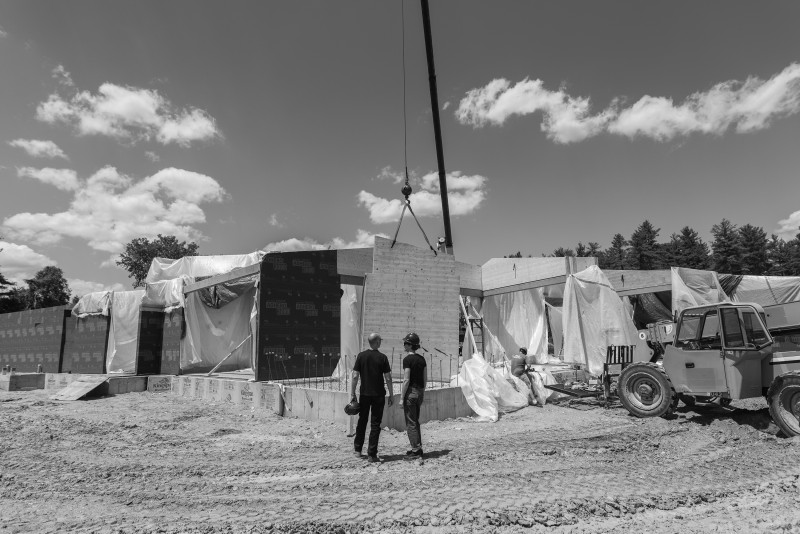
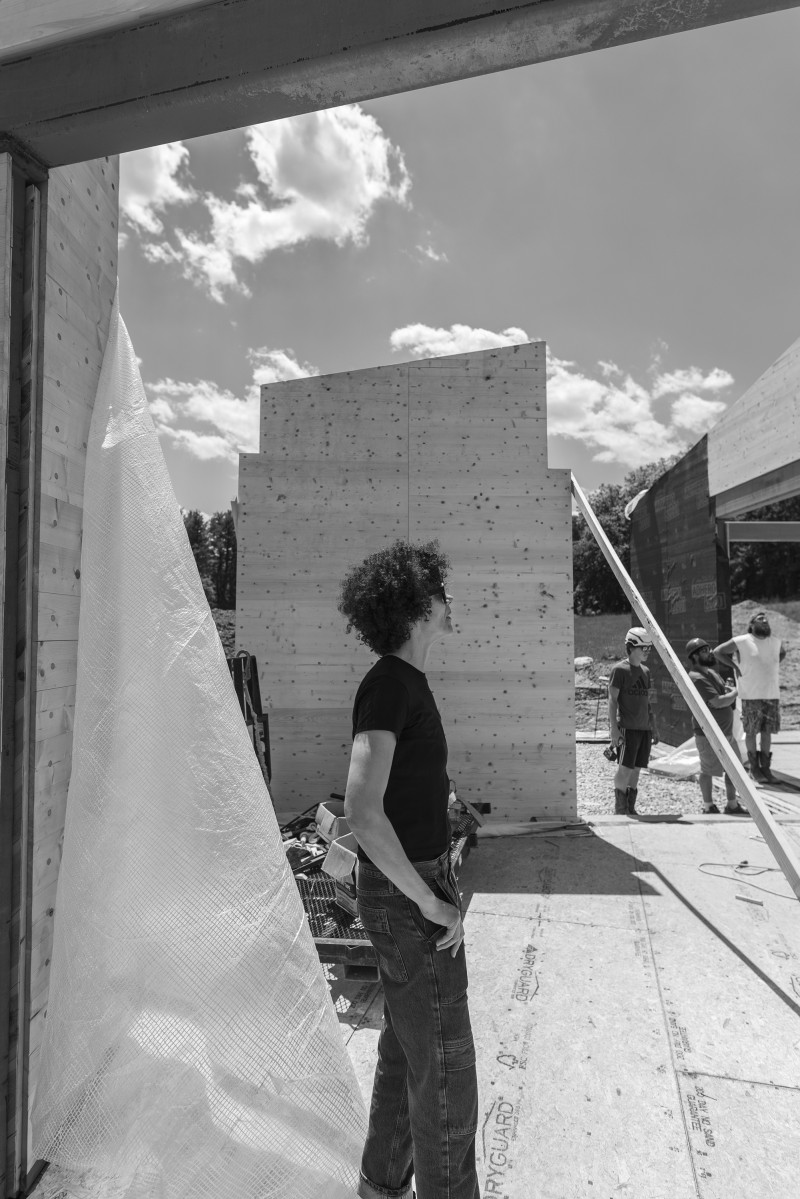
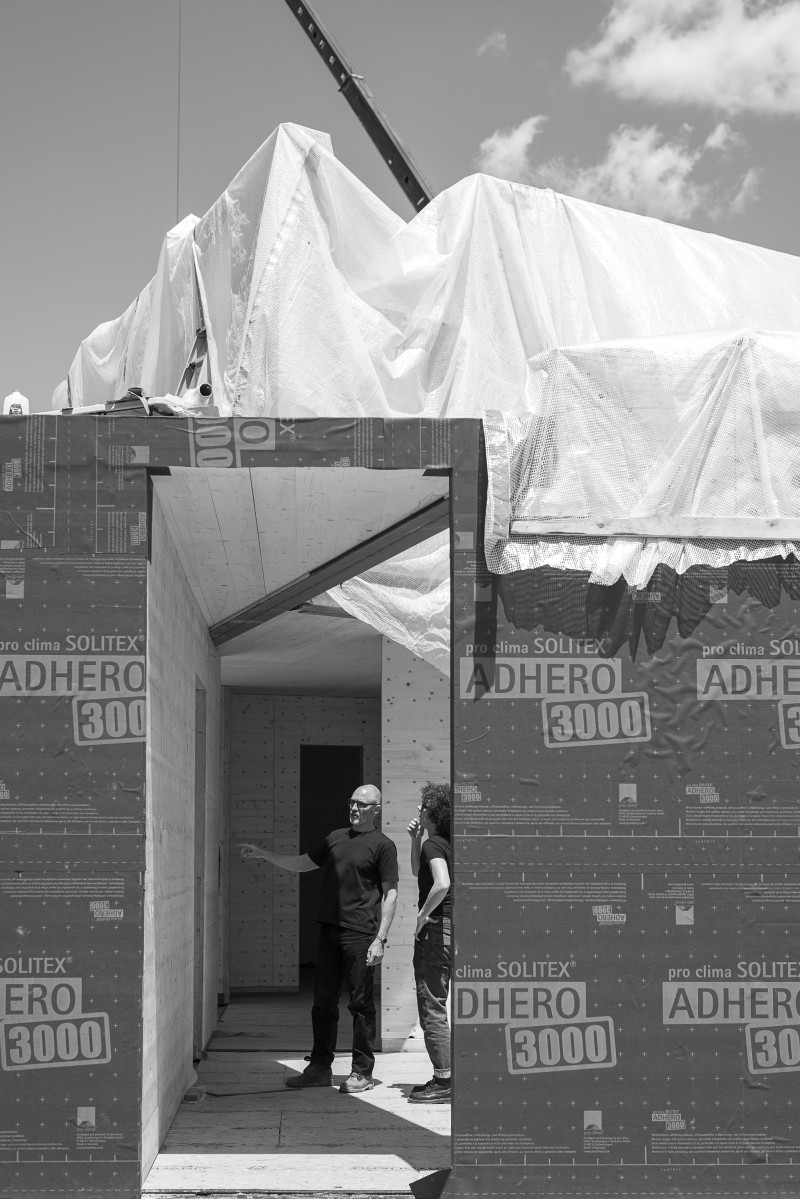
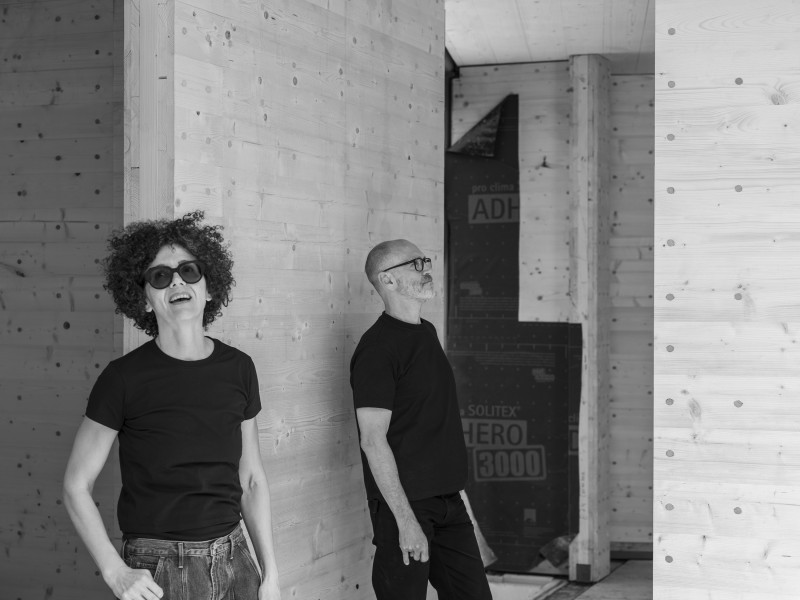
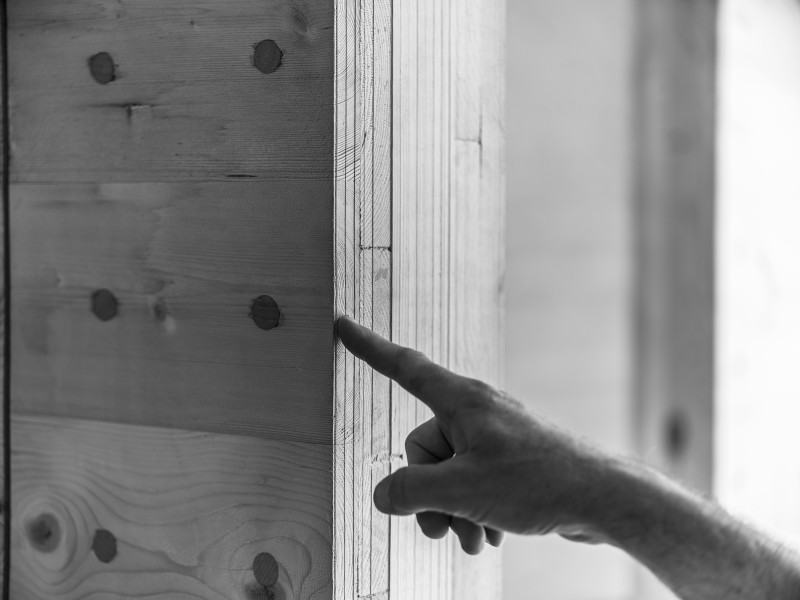
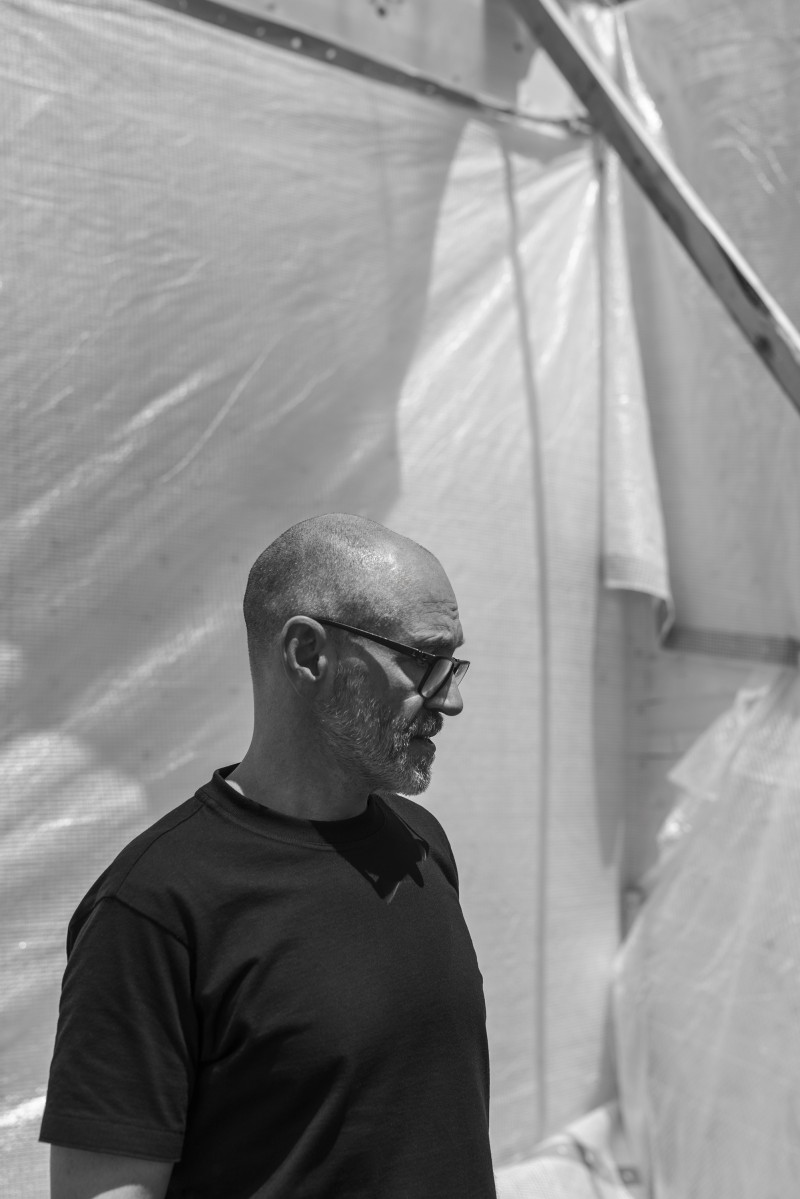
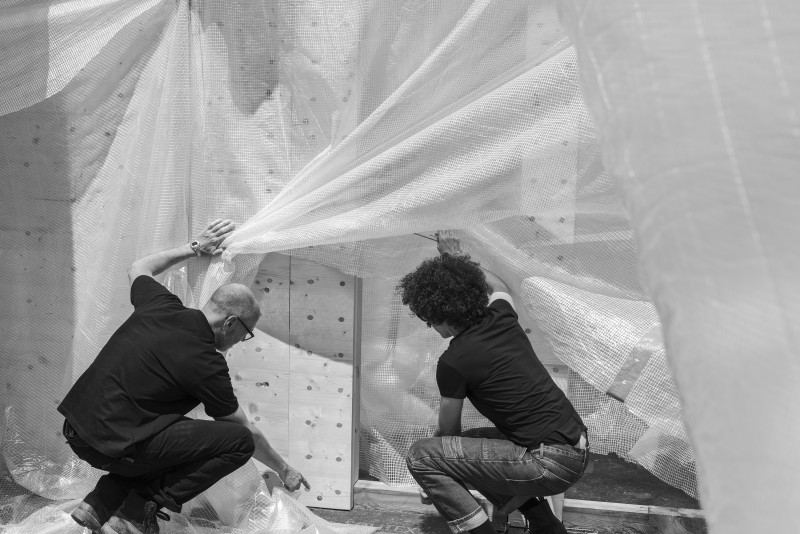

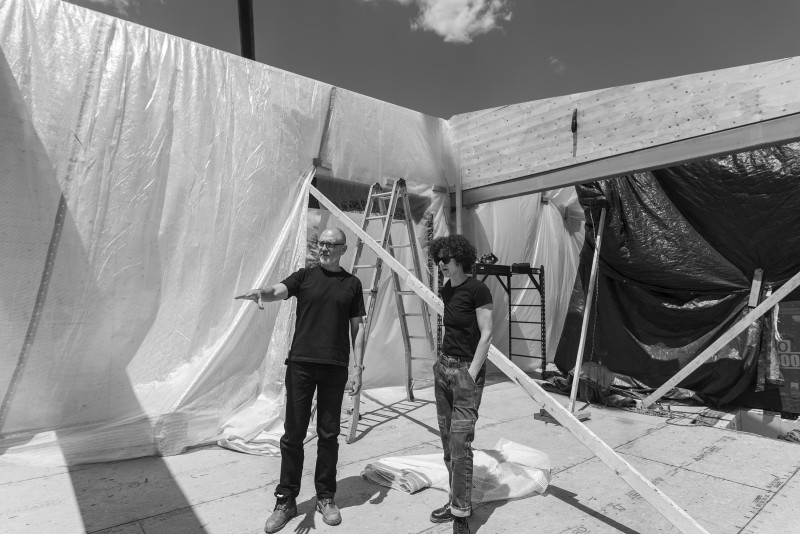
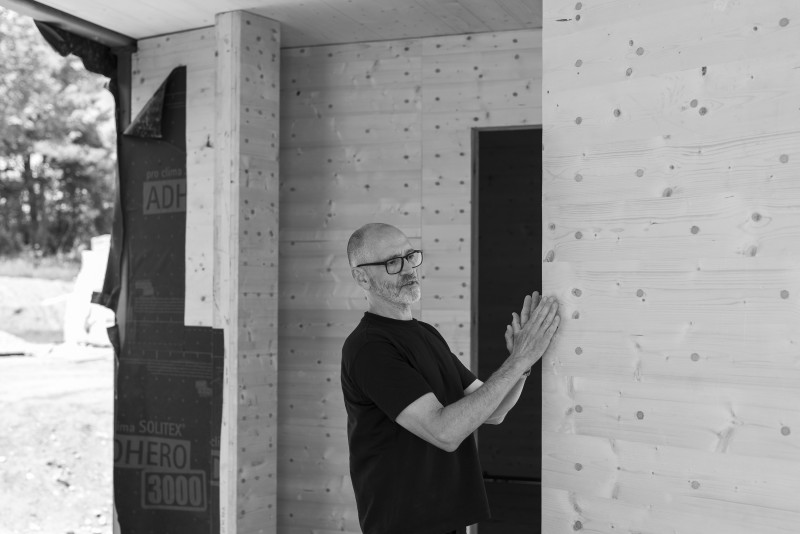
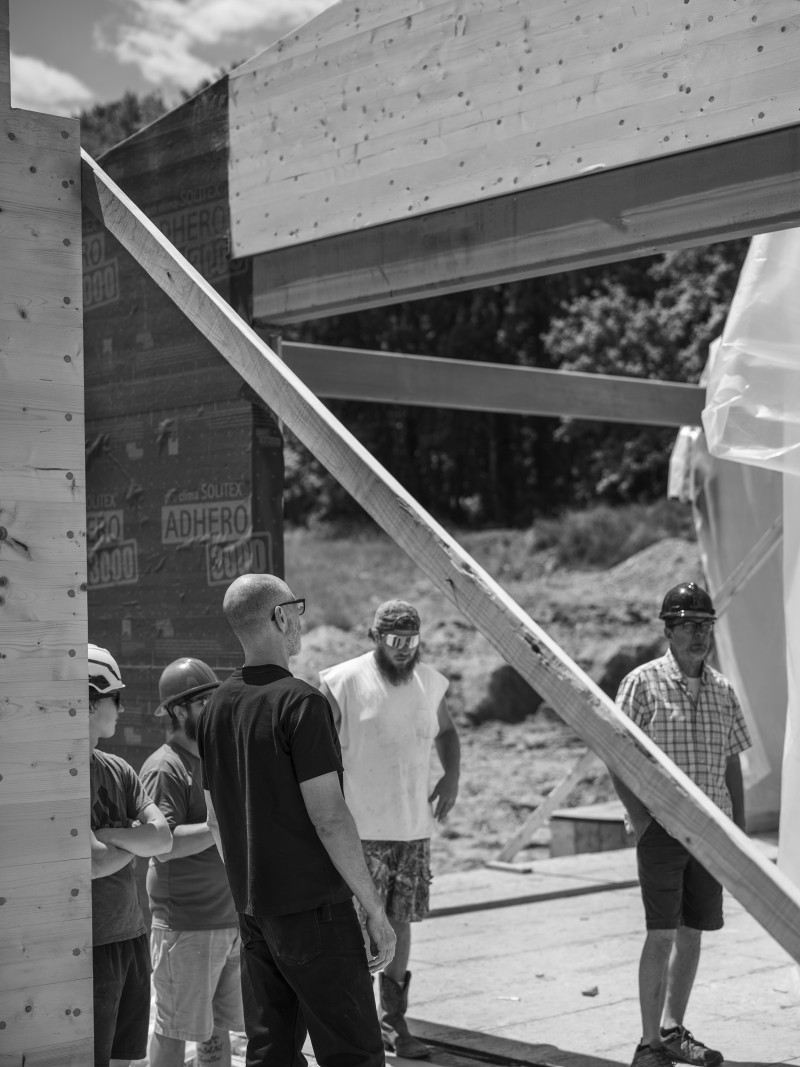
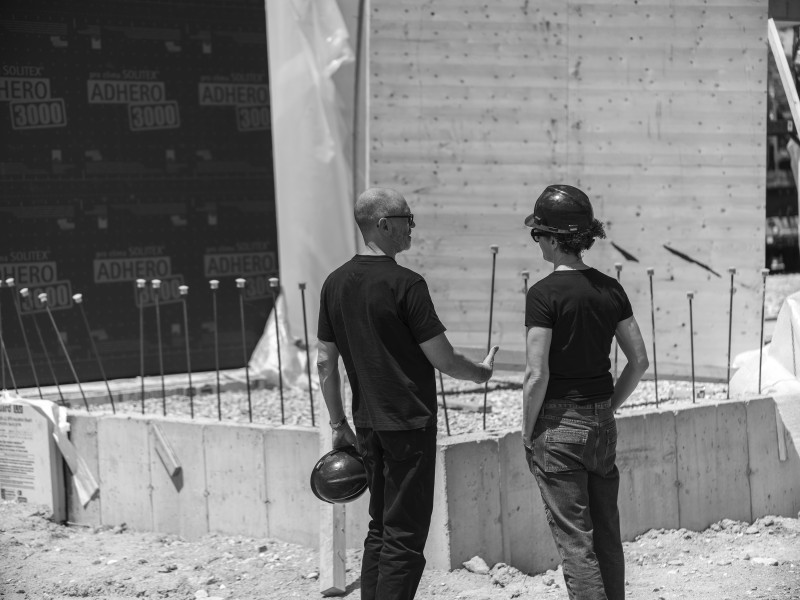
At EASTON COMBS, we believe a licensed architect brings invaluable expertise, insight, and leadership to every phase of a building project. We work steadfastly in the interest of our clients to deliver thoughtful, high-quality architecture that reflects the full investment of time, budget, and care each project demands.
We believe that the quality of the built product is inseparable from the quality of the process. From early design through construction, we guide clients with transparency, technical rigor, and a commitment to spatial innovation and building performance—always attuned to the specific constraints of scope and scale. During the design phase, we advise on cost implications and work collaboratively to shape strategies that align with project goals while maximizing long-term value. In the traditional owner–architect–contractor relationship, we serve as our clients’ advocate—ensuring that construction documents are correctly interpreted and executed with integrity.
Our approach to value in construction is grounded in high-performance strategies that prioritize building envelope, energy efficiency, and occupant comfort. We integrate the comprehensive approach to high-performance building design often found in the Passive House standard and beyond. This includes airtight construction, robust thermal insulation, efficient envelope detailing, and mechanical ventilation systems with energy or heat recovery. Simply put, we design technically rigorous, better-performing building systems that reduce long-term operational costs, improve comfort, and support durability.
Material
Material embodies the organizing logic of the work of architecture. Rather than a performative cultural veneer, its elevation and exploration become the core organization, structure, and haptic experience of space and spatial definition.
Common materials are worked until they become uncommon, elevated through attention, not economic status. The resistance is to the facsimile: the capitalistically calibrated product, camouflaged as a material it is not, whether simulating a real material or serving as a culturally defined surrogate.
Order and the Unexpected
Architecture both pushes away from and is drawn toward order. The constraint must be critically identified, whether legible or invisible, then opportunistically explored. A constraint resolves into an architectural freedom, and such freedoms emerge back into order: formal, organizational, structural, spatial, sequential.
Functional or structural clarity does not undermine the need for the unexpected. A logical and economical construction begins with a clarity of form, yet the register of these conditions allows surprise to be introduced subtly: the slight paradox, the quiet exception. The role of any given construction component or material transforms to guide and define space in new ways.
Specificity and the Vernacular
In the context of ready-made contemporary aesthetics and flattened imagery, architecture finds its identity in the exploration of the specific, the unique, and the sometimes idiosyncratic resolutions of structure, form, and space — a flexible spatial language, open to interpretation and revision, its core spatial identities anchored to an inner-relational freedom of form, space, and program.
Vernacular form is addressed not as a nostalgic symbol but as a silhouette: a subtle reduction, a recasting of the normal into the exceptional, and a quiet contribution to the built fabric and landscape.
Architecture establishes its own conceptual, organizational, and material rules. Sharing inherited histories yet remaking them, each work is creatively responsible for the specific internal structures that make it a singular set of experiences.
Time and Atmosphere
An inner sense of time is authored in each work. Sequence and rhythm, curated through the plan, expand and collapse space, giving the building a time of its own that unfolds through movement.
Architecture never moves, yet it is never settled. Its atmosphere is in constant flux: light to dark, warm and cold, illuminated from within or received from beyond.
The environmental envelope is a site of architectural expression, not a suppressed technical layer. A wall, a technically performative composite, is a tectonic fact: its thickness resolved in the presence it holds in a room, its performance evidenced in how it turns a corner. Architecture’s environmental performance is not a neutral credential but a foundational approach, integrated in the premise and implicated in the detail. It is the architecture itself.
Building performance is continuous research. Innovation in architectural craft emerges from a holistic reading of material and structural histories, of how earlier inventions answered their moment, then recoding that logic for our own time. The larger arc of building history, coupled with novel thinking grounded in the fundamentals of building science, allows for integration and progression within architectural culture. This research flows from speculative prototype to built production, arriving at performance as architectural agency.
A durable building outlives its original argument. Architecture must survive weathering and the patina of use, but the greater challenge is to survive its original ideas. The qualities that carry a building into that unknown future are harder to construct: adaptability, resilience, and a resonant core able to move future people a century on. To build well is to construct for that loss of initial purpose, to imagine architecture recast as patterns of space, material, and form that will resonate from history toward a future.
To construct an indoor climate is to make a world for the human body. A world created in continual negotiation with the exterior: a tuned, culturally conditioned comfort when required, a tempered extension of the larger world when desired. The discipline of the envelope leaves the body saturated in air, humidity, temperature, and quiet. The building is felt before it is ever understood. In making this world, construction becomes architecture’s most intimate act.
Photography: Martin Crook (office and profile)
Web design: Good Enough